Postscript — Fortune’s Wheel In 17th Century Florence
Postscript — Fortune’s Wheel in 17th-Century Florence
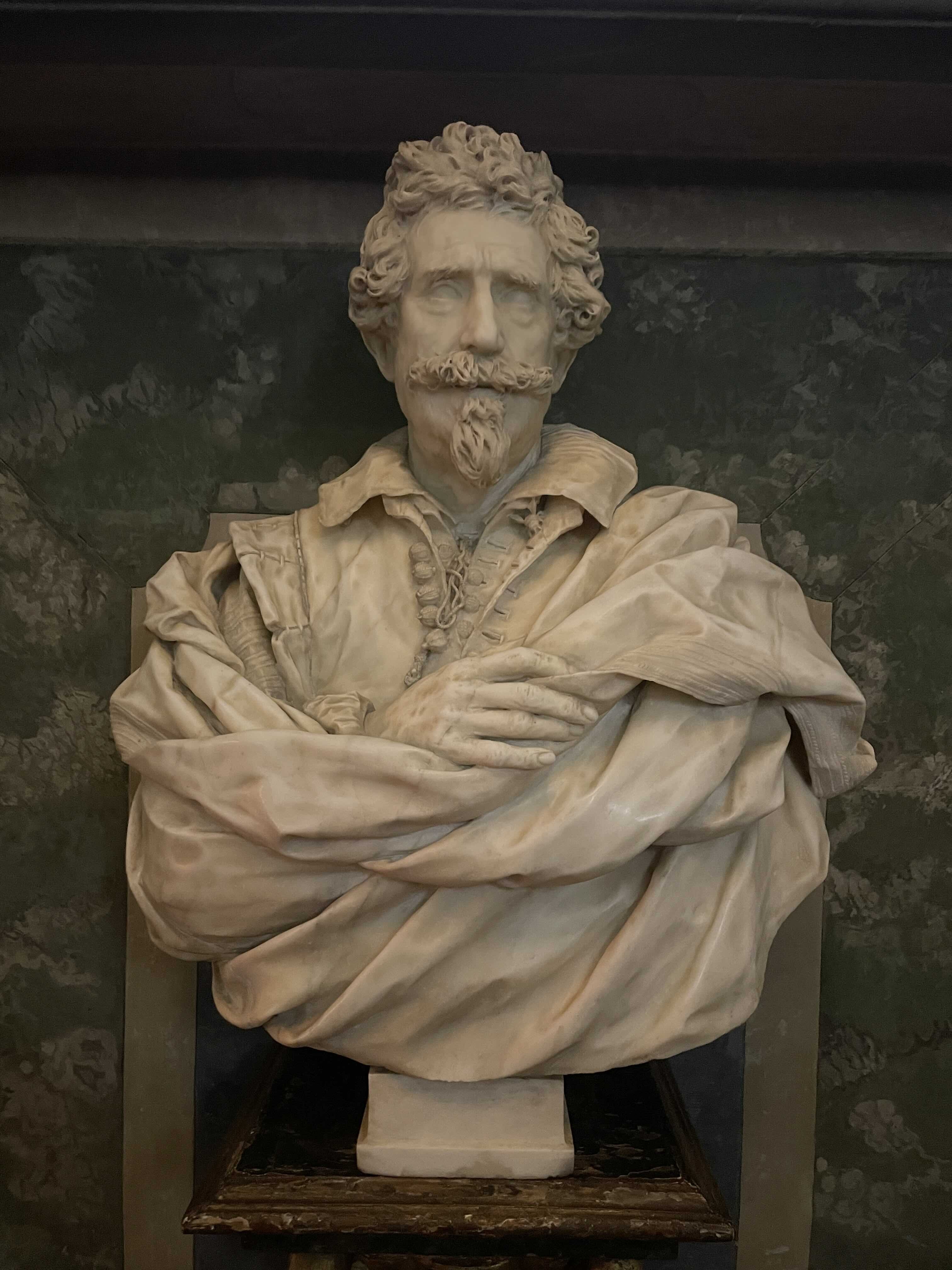
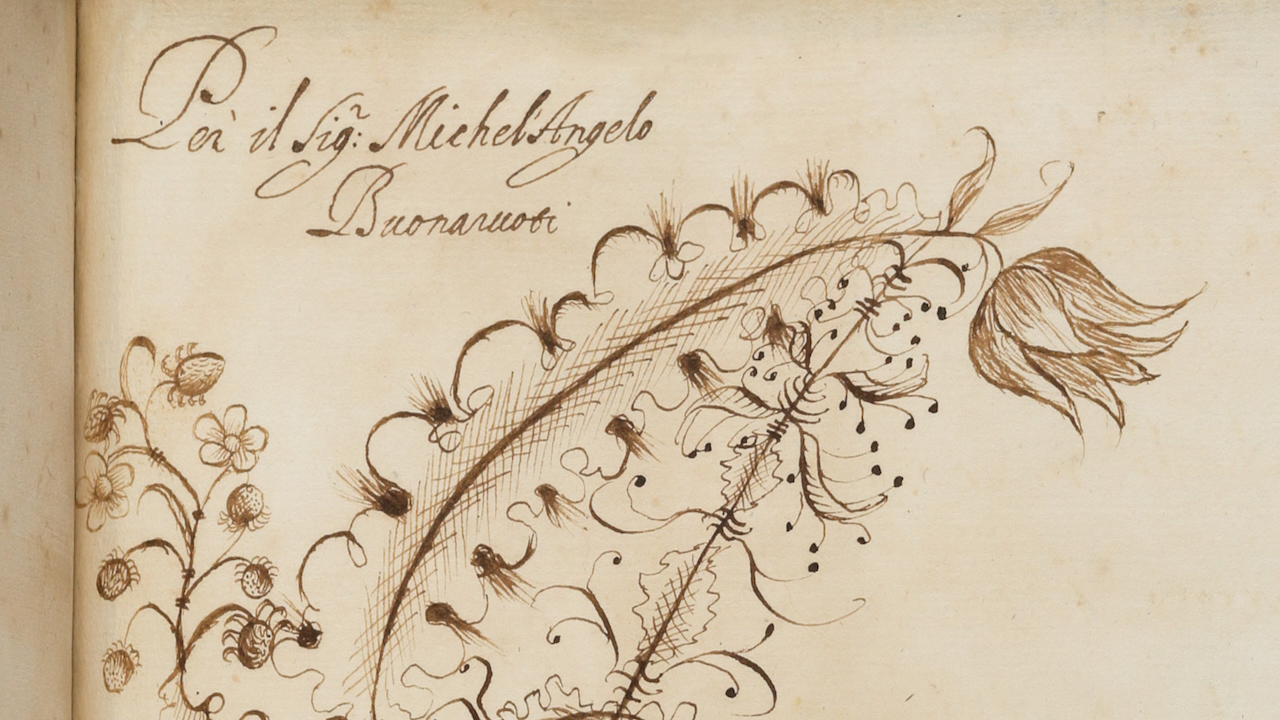
The archive of the Casa Buonarroti in Florence, Italy, is a veritable treasure room of early modern Italian poetry—including the famed poems of Renaissance artist Michelangelo Buonarroti (1475–1564) and verse written by two of his great nephews, Michelangelo the Younger (1568–1647) and Francesco Buonarroti (1573/74–1631). Poets who corresponded with the Buonarroti family are also represented in the family’s archive.
Taken as a whole, the poetry collection evokes the loves, beliefs, and emotions of early modern Italy. One such example is a 16th/17th-century sonnet composed by an unidentified poet.
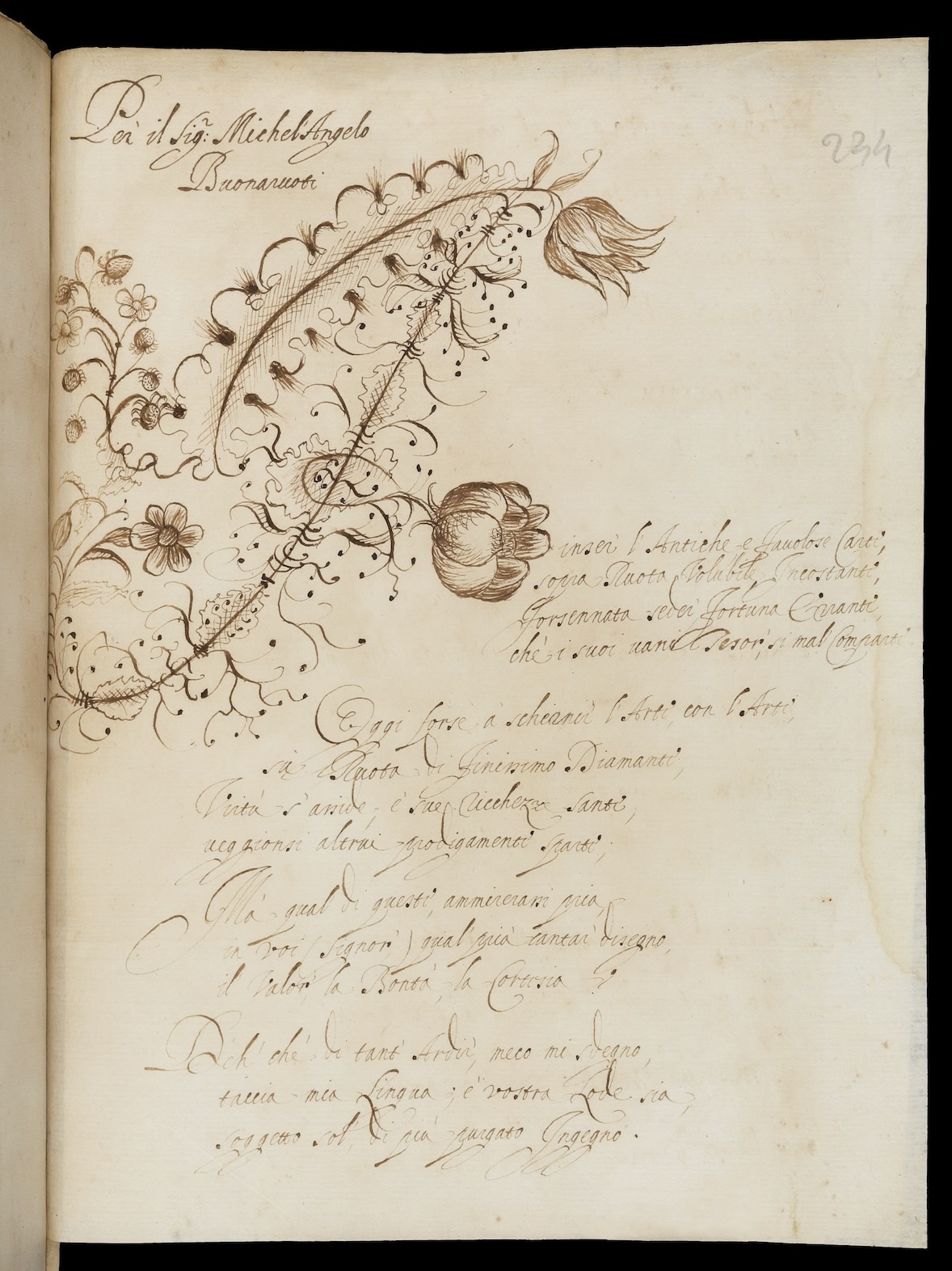
Sonnets are a style of poetry made popular by Francesco Petrarca (1304–1374) in the 14th century. A sonnet consists of two parts: an octave (eight lines) divided into two quatrains (four-line stanzas), and a sestet (six lines) divided into two tercets (three-line stanzas). The sonnet’s octave employs one rhyme scheme (ABBA ABBA) while the sestet uses a different scheme (CDC DCD). The octave presents the conceit, or problem, of the poem. The volta, or turn, occurs between the octave and the sestet and marks a self-reflective transition in tone, mood, or perspective.
Our sonnet’s conceit centers on the nature of Lady Fortune as understood in the past compared to the present. The poem begins with a reflection on the past. We read that ancient mythological writings (“Finser’ l’Antiche e favolose Carte”) portray an errant Fortune (“Fortuna Errante”) sitting on her wheel, poorly distributing her empty treasures (che’ i suoi vani Tesor’, si mal Comparte) according to her fickle and inconstant (Volubile, Incostante) nature. To the poet, these treasures were empty since they were shared by chance, not earned by the recipient.
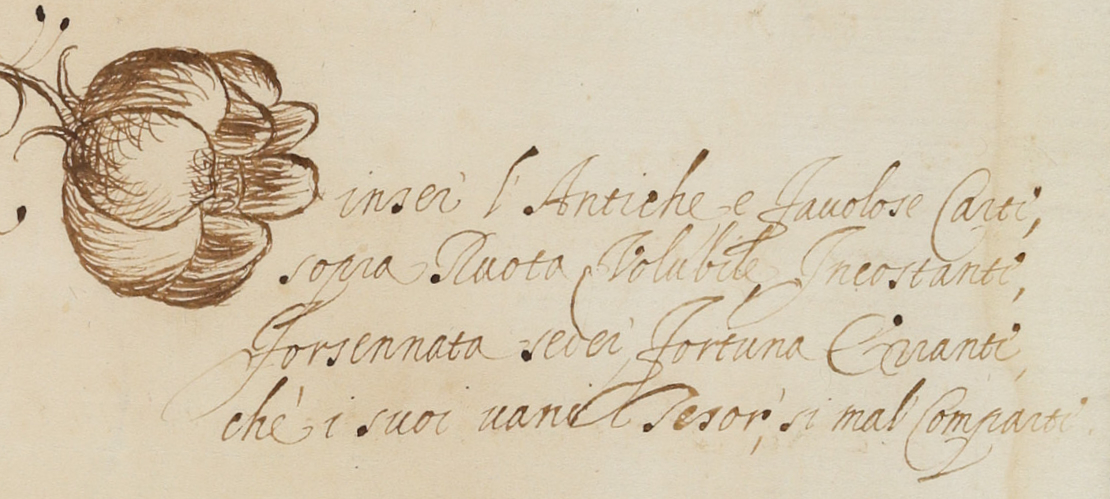
The second quatrain contrasts the past’s understanding of Lady Fortune with current society, which has replaced Lady Fortune with Lady Virtue:
“Today, perhaps to mock Art with Art,
Virtue sits enthroned upon a wheel of finest diamond”
Virtue’s holy treasures (sue ricchezze sante) are lavishly scattered (prodigamente sparte)—again, received by chance rather than merit. The use of Arte ingeniously plays on the double meaning of the word as both art and artifice (imitation).
The volta thus questions how the poet could properly praise the virtues of a man, Signor’, who is addressed directly in the first tercet. We hear of this man’s valor, goodness, and courtesy (il Valor, la Bontà, la Cortesia). But, in the next breath, the poet resents having the audacity to attempt such praise (Deh’ che’ di tant’ Ardir, meco mi sdegno) and chooses silence instead—“let my tongue fall silent” (taccia mia Lingua)—humbly suggesting that a more gifted intellect write of the subject.
The poet understood, like the ancient writers, that Lady Fortune—for all her inconstancy—was honest to her nature when handing out her treasures, unlike Lady Virtue in the poet’s day.
A version of this story originally appeared in the Summer 2026 issue of HMML Magazine.