
Metadata For 1,385 Manuscripts From The Historisches Archiv Der Stadt Köln In Cologne, Germany, Is Now Available In Reading Room
Collections News
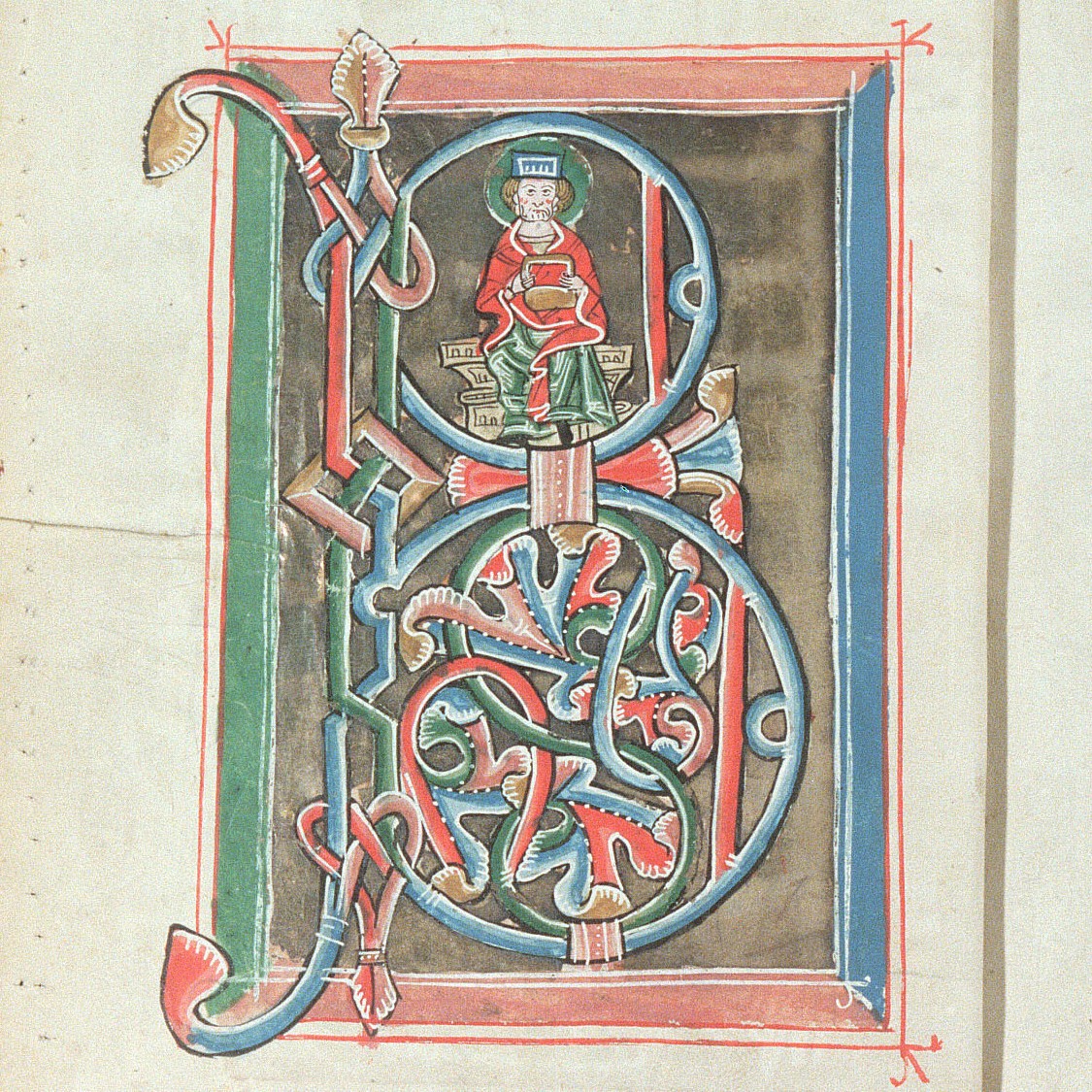
Metadata for 1,385 manuscripts from the Historisches Archiv der Stadt Köln in Cologne, Germany, is now available in Reading Room
Posted: 2026-04-15Cataloging is complete for the collection of the Historisches Archiv der Stadt Köln, the city archive for Cologne, Germany, and one of the largest archives in Europe. Between 1979 and 1982, HMML filmed 1,385 manuscripts onto 1,290 microfilm reels, preserving extensive collections gathered from religious communities belonging to this large religious and political center. The largest portion of the manuscripts include theological writings, sermons, and commentaries on religious texts, while the many hagiographies provide a glimpse into the diverse veneration of saints in Cologne, as seen in HMML 36671 (the French William of Maleval), HMML 36673 (the Dutch Lidwina of Schiedam), and HMML 36683 (the Coptic Anthony the Great). Texts used for the performance of the Mass and private devotion feature strongly, while cartularies for various monastic communities are also prominent. The oldest manuscript is a 5th-6th century papyrus fragment from Byzantium, a Greek-Latin glossary (HMML 37172).
HMML’s work proved invaluable following the devastating collapse of the Cologne archives in 2009 due to the mismanagement of a subway’s construction. 10 years later, only half of the recovered materials were restored and accessible in the archives, with restoration efforts continuing today. HMML’s microfilms offer a record of the medieval and early modern collection before the damage. Significantly, HMML has a large number of color microfilms that showcase Cologne’s many beautifully decorated manuscripts.
A series of fragments (HMML 37176, multiple records) with text in Arabic, Aramaic, Armenian, Ge’ez, Hebrew, Ottoman Turkish, and Yiddish were cataloged by Josh Mugler, Ani Shahinian, and Jeremy Brown. The Yiddish fragment is one of the oldest surviving examples of Yiddish, dating to the year 1397. View now
Share:
Recent Collections News:
Metadata for 338 manuscripts from StiftsMuseum Xanten in Xanten, Germany, is now available in Reading Room
169 Armenian manuscripts from the Pontificio Collegio Armeno in Rome, Italy, are now available in Reading Room