Celebrating 60 Years Of Preserving The World’s Handwritten Heritage
Celebrating 60 Years of Preserving the World’s Handwritten Heritage
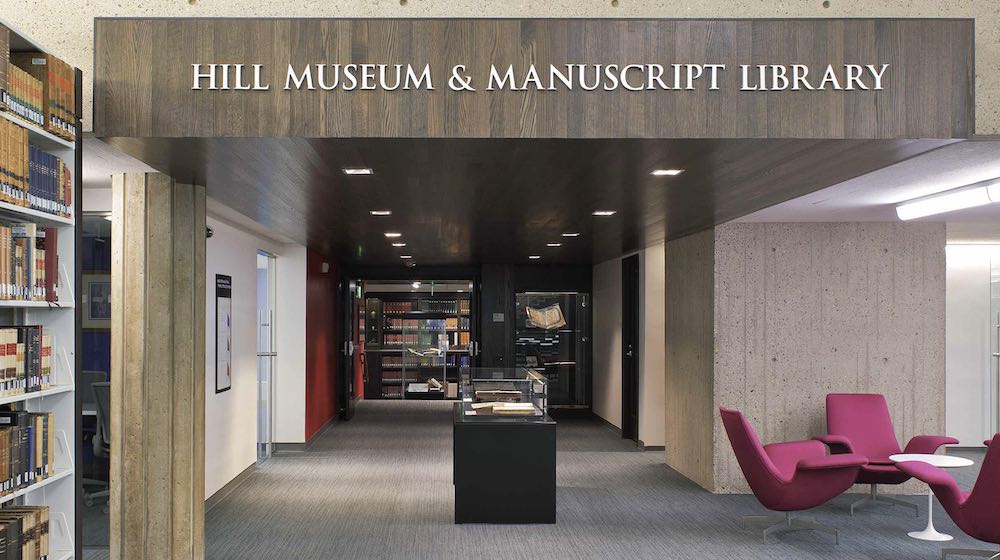
For six decades, HMML has worked to preserve and share humanity’s handwritten cultural heritage by photographing, cataloging, and providing access to at-risk collections of manuscripts. Founded in 1964 at Saint John’s University in Collegeville, Minnesota, HMML began microfilming manuscripts in European monasteries in 1965 and today partners with libraries and archives around the world, digitally preserving and sharing manuscripts threatened by war, environmental damage, theft, and neglect. Throughout its 60th celebration year, HMML invited the public to reflect on this remarkable journey through exhibitions, lectures, and special events.
Exhibitions: Celebrating Preservation and Translation
The anniversary year opened with Preserving Pages: 60 Years of Sharing the World’s Handwritten Past, an exhibition tracing HMML’s growth from its first preservation project in Austria to a global effort spanning Africa, Asia, Europe, and the Middle East. Through manuscripts, photographs, and archival materials, visitors can explore how preservation methods evolved while HMML’s mission remained constant, safeguarding cultural heritage and making it accessible to future generations.
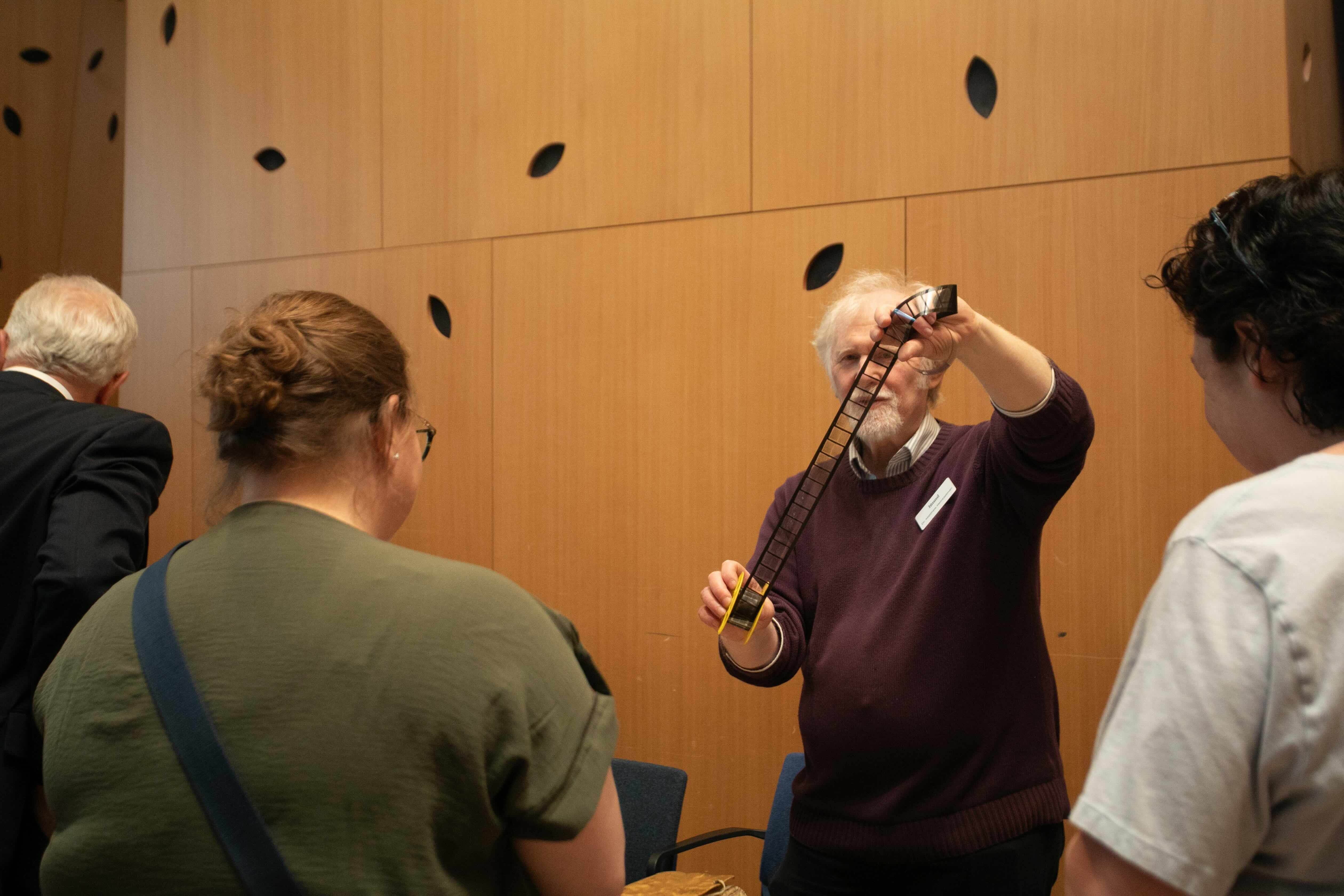
The second exhibition, Lost and Found in Translation, focuses on the challenges and opportunities of working across languages and cultures. Featuring manuscripts and books from many traditions, the exhibition highlights how translation can both reveal and reshape meaning. Visitors are encouraged to engage directly with texts and discover the connections that emerge when languages meet.
Lectures: Stories Behind the Preservation
HMML’s Winter Lecture Series is a virtual program held once a month from January through March (view all recordings on HMML’s YouTube channel). To celebrate 60 years, this year’s series turned inward to hear from HMML staff about their work.
The series began with John Meyerhofer, Wayne Torborg, and Dr. Catherine Walsh exploring the often-unseen work required to build and maintain a digital library—from photographing fragile manuscripts to organizing vast collections for public access.
Next, Dr. Josh Mugler examined how political borders and national partitions have dispersed manuscript collections, while also showing how preservation efforts can reconnect manuscripts to their communities.
Finally, Dr. Matthew Z. Heintzelman reflected on HMML’s earliest partnerships in Austria and the importance of trust, collaboration, and long-term relationships in preservation work.
Together, the lectures demonstrated that preserving and sharing manuscripts is ultimately about preserving and sharing human stories.
Manuscript Workshops
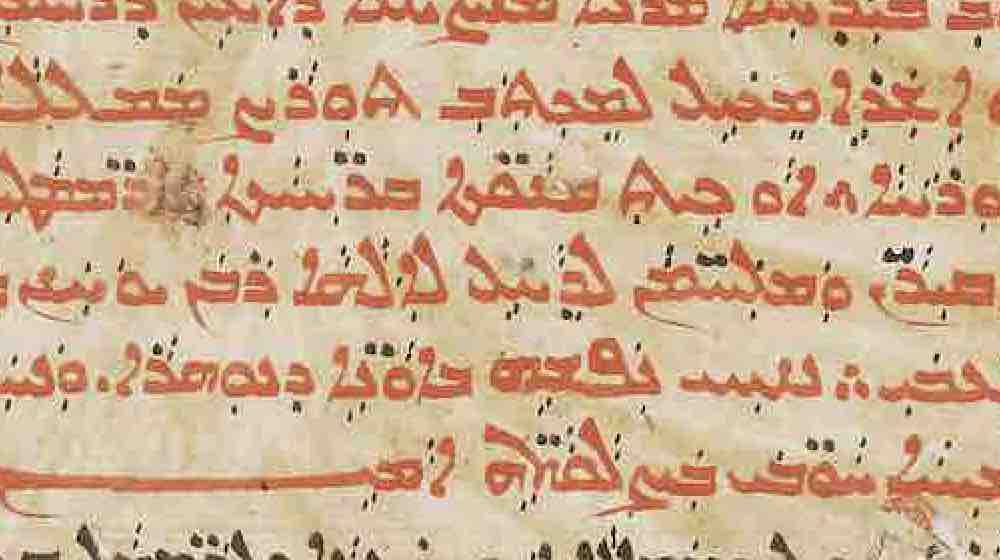
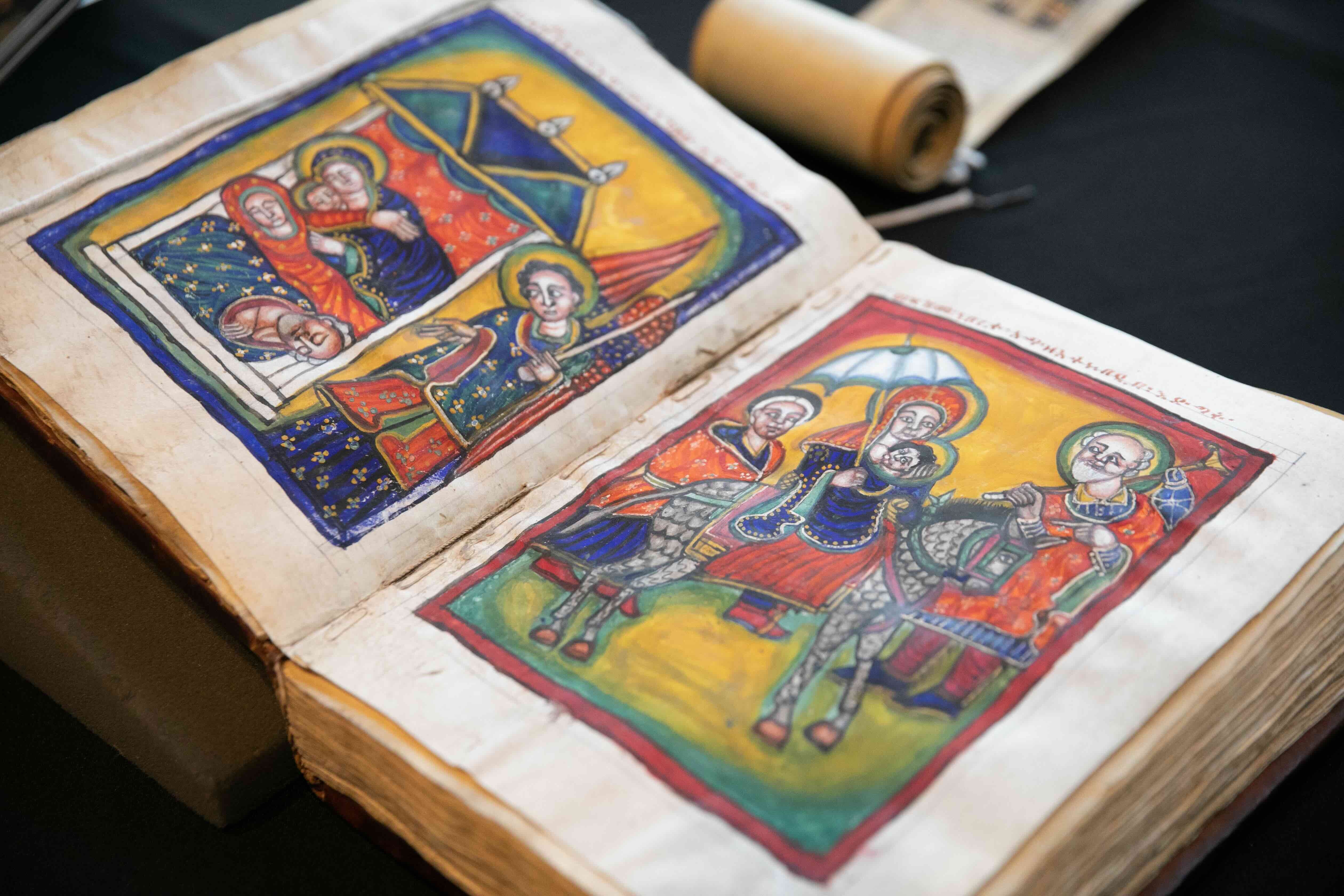
Another landmark celebrated this year was the completion of a multi-decade effort to digitally scan the Ethiopian Manuscript Microfilm Library (EMML) films preserved at HMML. More than 7,500 microfilms in this renowned collection are now freely available to view on HMML’s digital collection website (vhmml.org). To celebrate, HMML held three hands-on workshops in Minnesota with Dr. Jeremy R. Brown, featuring manuscripts in HMML’s Ethiopic collection.
Audiences at Saint John’s University, the James Ford Bell Library in Minneapolis, and the Minnesota Humanities Center in St. Paul had the rare opportunity to learn techniques for understanding the content of an Ethiopian manuscript through its physical characteristics. Read Dr. Audrey Thorstad’s reflection on the workshops.
A Milestone Celebration
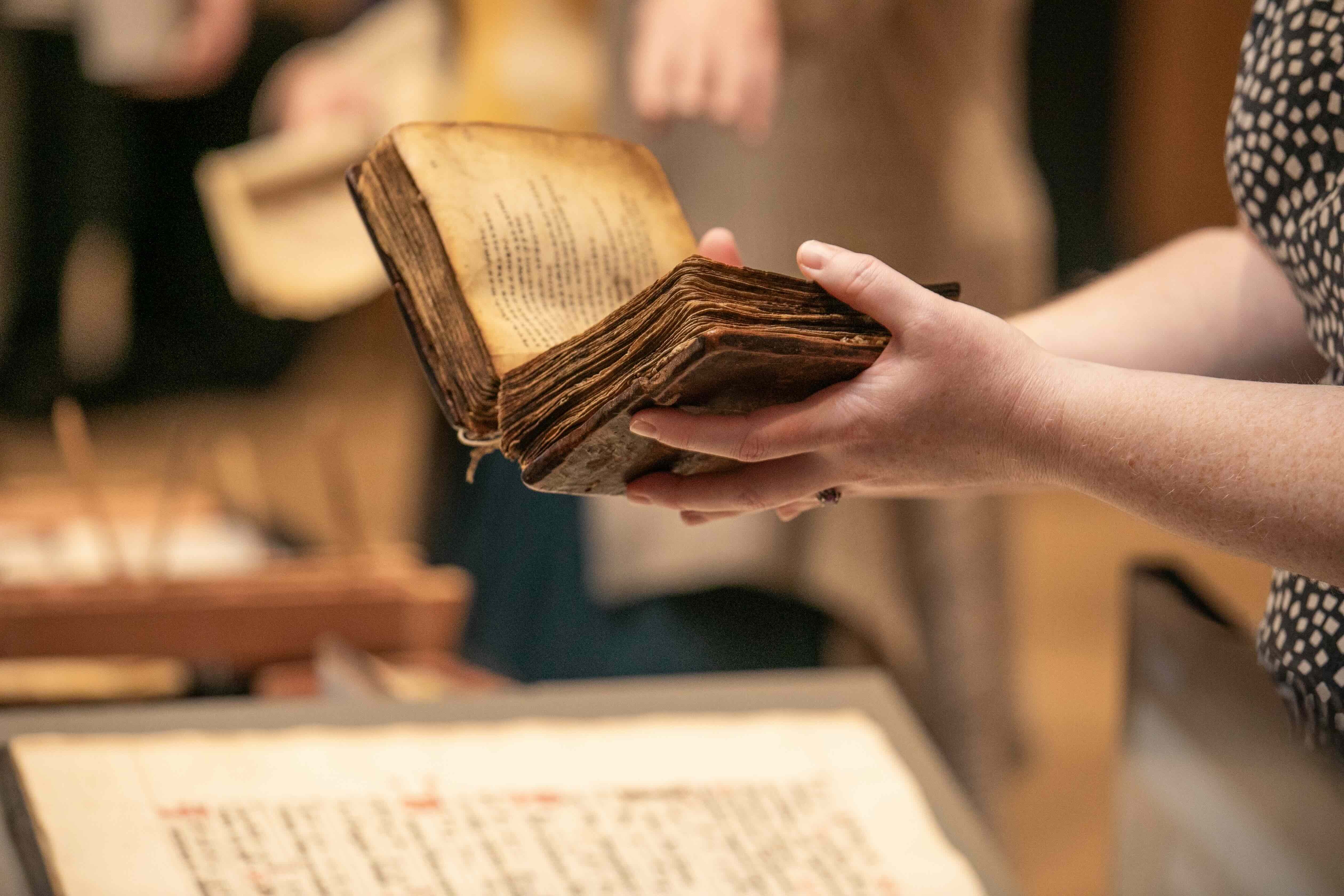
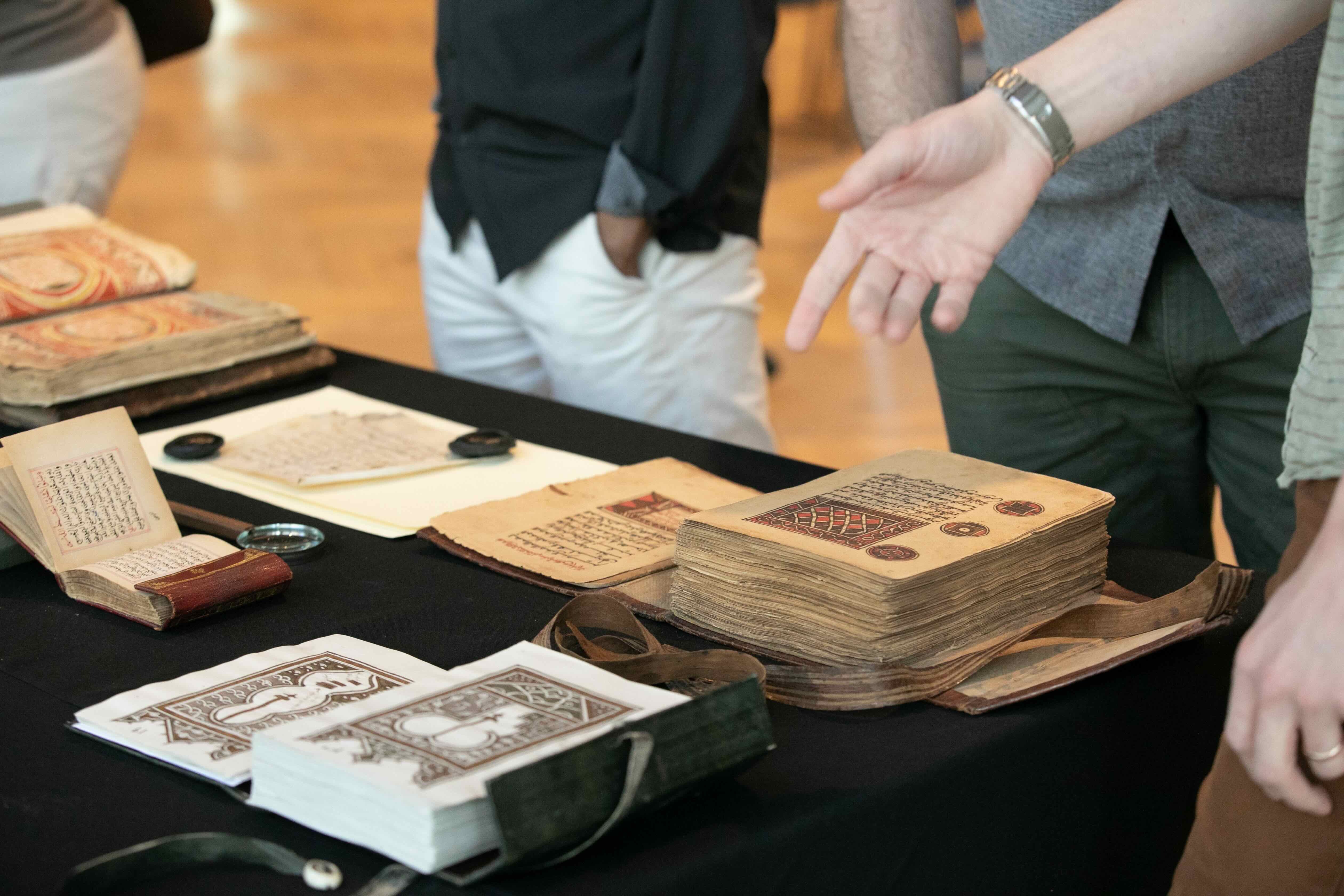
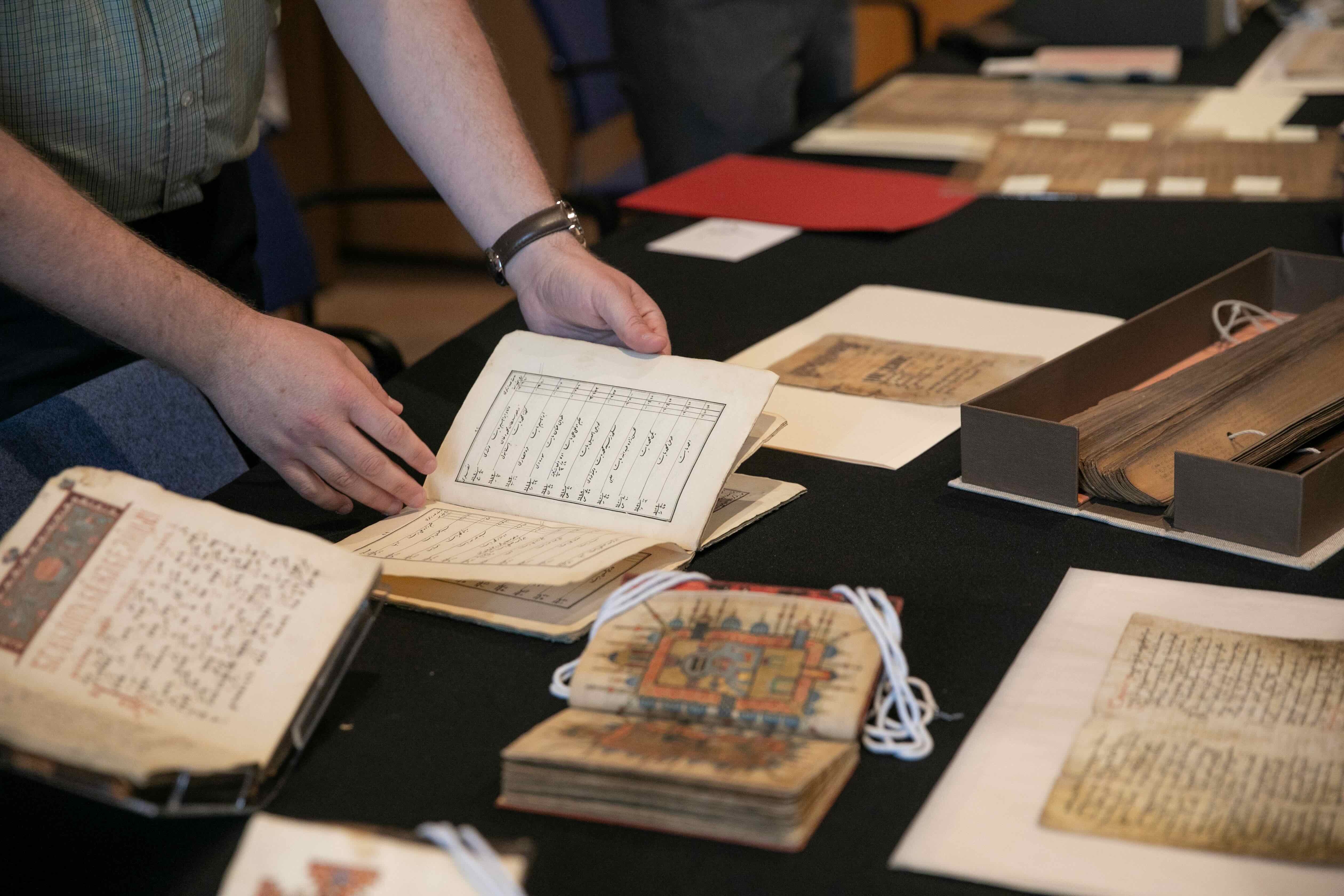
The celebration culminated on May 16 with a public event in Minneapolis. The day began with “Museum Without Glass,” an opportunity for attendees to see rare books and manuscripts up close. Since some HMML staff work remotely, it was a special treat to have all current HMML curators and catalogers on-site for conversations about the materials—Dr. Ali Diakite, Dr. Ani Shahinian, Dr. Catherine Walsh, Dr. Jennifer Carnell, Dr. Jeremy R. Brown, Dr. Josh Mugler, Katherine Goertz, Mariam Magdy-Clark, Dr. Matthew Z. Heintzelman, and Dr. Paul Naylor.
The highlight of the day was Dr. Columba Stewart’s keynote address, “Across Borders and Centuries: Protecting Humanity’s Written Heritage.” Drawing on decades of experience, Columba reflected on why preserving manuscripts remains essential in a world facing conflict, displacement, and uncertainty.
While anniversaries invite us to look back, they also challenge us to look forward. The need for manuscript preservation remains urgent, and the opportunities for scholarship and cultural understanding continue to grow. Every manuscript preserved is a story protected, a voice remembered, and a bridge built between past and present.
As HMML celebrates 60 years of impact, we invite you to become part of HMML’s future. Explore our collections, attend an event, share our mission with others, and support our work. Together, we can ensure that the world’s handwritten heritage remains accessible for generations to come.